

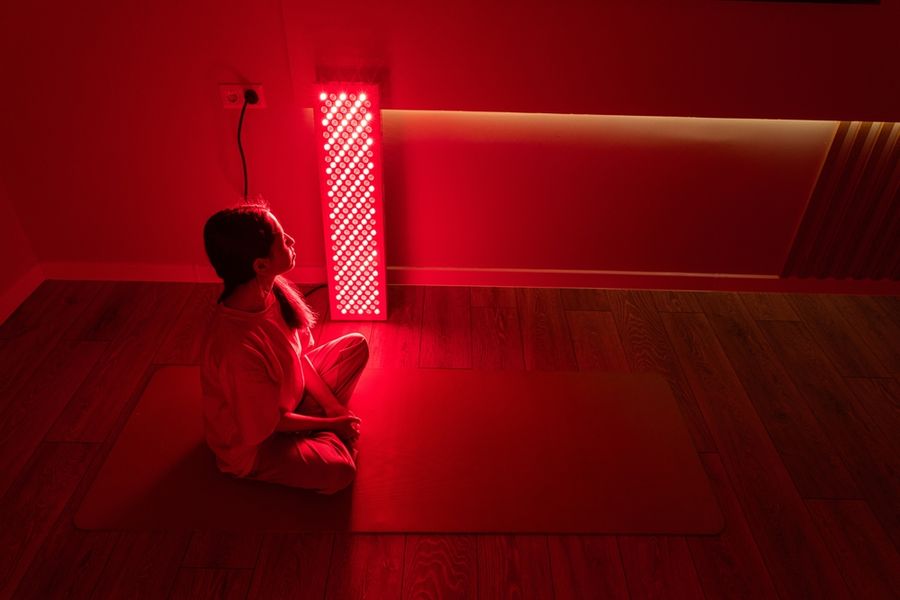
A growing number of wellness routines now include light-based treatments that once required clinic visits. Red light therapy has gained attention for its potential to support skin health, recovery, and overall vitality without invasive procedures. Compact devices promise similar benefits from the comfort of home, making the option appealing for busy schedules. Still, understanding how the technology works, what results are realistic, and where limitations exist helps set clear expectations before adding any device to a daily routine.
Understanding How Red Light Therapy Works
Red light therapy uses low levels of red and near-infrared wavelengths to interact with the body at a cellular level. Those wavelengths typically fall between about 620 and 1,400 nanometers and don’t generate heat, which makes the approach suitable for repeated use. The light penetrates the skin and reaches cells where it influences mitochondrial activity, which plays a role in energy production.
When cells absorb that light, they may function more efficiently, supporting processes like repair and regeneration. Increased cellular energy can influence circulation, inflammation, and tissue recovery. While the science continues to develop, early findings suggest a connection between consistent exposure and measurable biological responses that may translate into visible or physical improvements over time.
Types of At-Home Red Light Therapy Devices
At-home devices come in several formats, each designed for different use cases. Panels are among the most popular options because they cover larger areas and deliver consistent exposure across the body. Smaller handheld devices allow for targeted treatment on specific areas such as joints or facial zones.
LED masks have become common in skincare routines, offering a convenient way to address concerns like fine lines or uneven tone. Flexible pads and wraps add another layer of versatility by conforming to body contours. Each type varies in power, coverage, and ease of use, so selecting a device often depends on whether the goal focuses on full-body recovery, localized pain relief, or cosmetic improvements.
Potential Benefits for Skin and Appearance
Skin-related benefits often drive interest in red light therapy. Research suggests that exposure may support collagen production, which helps maintain firmness and elasticity. Improved circulation can also contribute to a more even complexion and reduced appearance of fine lines over time.
Some users report improvements in acne, redness, and overall texture with consistent use. Light may reduce inflammation and encourage faster healing in certain skin conditions. While results vary, gradual changes tend to appear with repeated sessions rather than immediate transformation. Combining light therapy with a broader skincare routine often leads to more noticeable and longer-lasting improvements.
How Red Light Therapy Supports Recovery and Wellness
Beyond cosmetic benefits, red light therapy is often used for recovery and general wellness. Exposure may help reduce muscle soreness and improve circulation, which supports post-exercise recovery. Some studies have also explored its potential role in reducing pain and fatigue in certain conditions.
Improved blood flow and cellular activity can contribute to a sense of increased energy and reduced stiffness. While not a replacement for medical treatment, it can complement other wellness practices such as stretching or physical therapy. Consistency plays a key role, as benefits are more likely to appear after repeated sessions rather than occasional use.
Key Features to Look for When Choosing a Device
Choosing the right device involves more than selecting a popular brand. Wavelength range is one of the most important factors, as different ranges affect how deeply light penetrates the body. Devices that include both red and near-infrared wavelengths often provide broader coverage for skin and deeper tissues.
Power output, often measured as irradiance, determines how much light reaches the skin. Higher output can improve effectiveness, but it should be balanced with proper usage guidelines. Size, coverage area, and built-in timers also influence usability. Practical features often determine whether a device becomes part of a routine or ends up unused.
Limitations and Realistic Expectations
Despite growing popularity, red light therapy still has limitations that are important to understand. Many studies show promising results, but research often involves small sample sizes or varying conditions. That means outcomes can differ widely between individuals.
At-home devices are generally less powerful than professional equipment, which may lead to slower or more subtle results. Consistency and patience are essential, as noticeable changes often require weeks or months of regular use. While the therapy is considered safe when used correctly, following instructions and protecting sensitive areas like the eyes helps reduce potential risks.
Weighing Convenience Against Long-Term Value
Red light therapy offers an appealing blend of convenience and innovation for those looking to enhance wellness routines at home. Devices provide a noninvasive option that can fit into daily habits without requiring appointments or downtime. That accessibility makes it easier to stay consistent, which plays a major role in achieving any meaningful results.
At the same time, expectations should stay grounded in current research and individual variability. Results often build gradually and may differ depending on goals, device quality, and frequency of use. When approached with patience and informed decision-making, red light therapy can serve as a supportive addition to a broader health and skincare strategy rather than a standalone solution.