

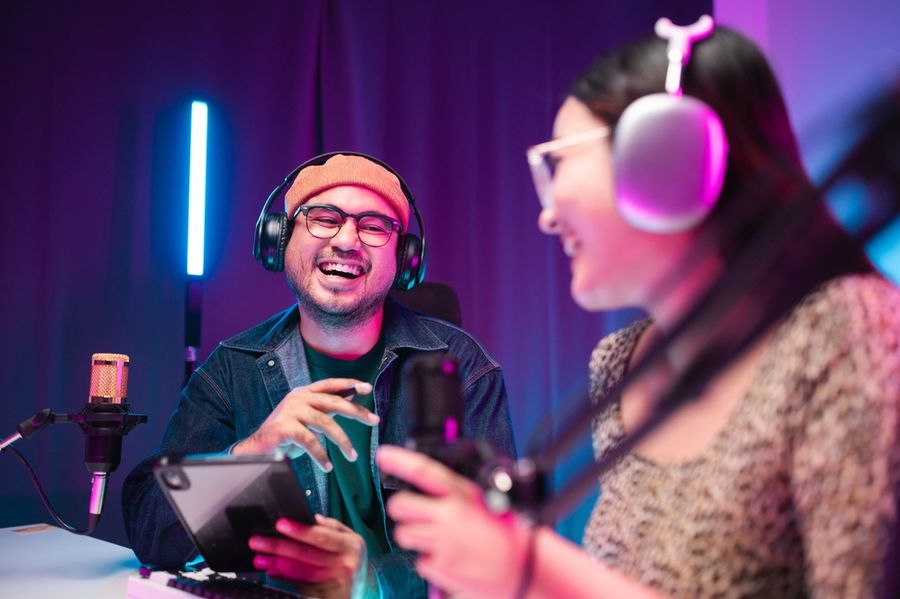
Starting a podcast at home has become more common across the United States, and it no longer requires a large investment or professional studio space. With the right approach, you can create clear and reliable audio using simple, budget-friendly tools. The key is to focus on sound quality, basic equipment, and a quiet setup. By making smart choices early on, you can build a podcast studio that works well without adding unnecessary cost or complexity.
Choosing a Simple and Reliable Microphone
The microphone is the most important part of any podcast setup. Clear audio matters more than video or design, so this is where your attention should go first. Many beginners choose USB microphones because they are easy to use and connect directly to a computer. Options like the Audio-Technica ATR2100x or the Blue Yeti are popular because they offer solid sound without needing extra gear.
It is also helpful to use a microphone stand or boom arm. This keeps the microphone steady and close to your mouth, which improves sound quality. Speaking directly into the mic at a consistent distance helps reduce background noise and makes your voice sound more natural. Even with a simple setup, these small details can make a big difference.
Creating a Quiet Recording Space at Home
A quiet space is just as important as good equipment. You do not need a professional soundproof room, but you do need to reduce echo and outside noise as much as possible. Many people record in a bedroom, closet, or small office because smaller spaces tend to have less echo.
Soft materials help absorb sound. Items like rugs, curtains, and even blankets can reduce noise and improve audio clarity. Placing your setup away from windows, fans, or busy areas of the home also helps. Turning off loud appliances during recording sessions can make your audio sound cleaner and more focused.
Using Budget-Friendly Recording Software
Recording software does not have to be expensive. There are several no-fee and low-cost programs that work well for beginners. Audacity is a common choice because it is simple, reliable, and widely used. GarageBand is another option for those using Apple devices, offering easy tools for recording and basic editing.
These programs allow you to record, trim mistakes, and adjust sound levels. Learning a few basic editing steps can improve your final episode without taking too much time. Keeping the process simple at the start helps you stay consistent and avoid feeling overwhelmed by technical details.
Adding Basic Accessories for Better Sound
Small accessories can improve your recording quality without adding much cost. A pop filter is one of the most useful tools. It reduces harsh sounds caused by certain letters, making your voice sound smoother. Foam wind screens can also help with this.
Headphones are another important part of the setup. They allow you to monitor your audio while recording and catch issues early. Closed-back headphones are often preferred because they prevent sound from leaking into the microphone. Even basic models can help you stay in control of your recording quality.
Organizing Your Workflow and Recording Routine
A good podcast setup is not only about equipment; it is also about how you use it. Creating a simple recording routine helps you stay consistent. This might include setting a regular time to record, preparing notes in advance, and checking your equipment before each session.
Keeping your files organized is also important. Saving recordings in clearly labeled folders makes editing and publishing easier. Over time, a steady workflow reduces stress and helps you focus more on content rather than setup. Consistency is often what separates a short-lived podcast from one that continues to grow.
Upgrading Slowly as Your Podcast Grows
You do not need to buy everything at once. Starting with basic tools allows you to learn what works best for your style. As your podcast grows, you can make small upgrades based on your needs. This might include adding an audio interface, a better microphone, or improved sound treatment.
Upgrading slowly helps you avoid wasting money on equipment you may not need. It also allows you to build confidence with your current setup before adding more complexity. Many successful podcasts began with simple gear and improved over time through experience and feedback.
Building a Studio That Works for You
Creating a home podcast studio with budget tech is about making smart and practical choices. By focusing on clear audio, a quiet space, and simple tools, you can produce high-quality content without a large investment. The process does not need to be complicated to be effective.
A strong setup grows with you. As you gain experience, you can refine your space and improve your sound step by step. With consistency and attention to detail, even a basic home studio can support a podcast that sounds professional and engaging.