

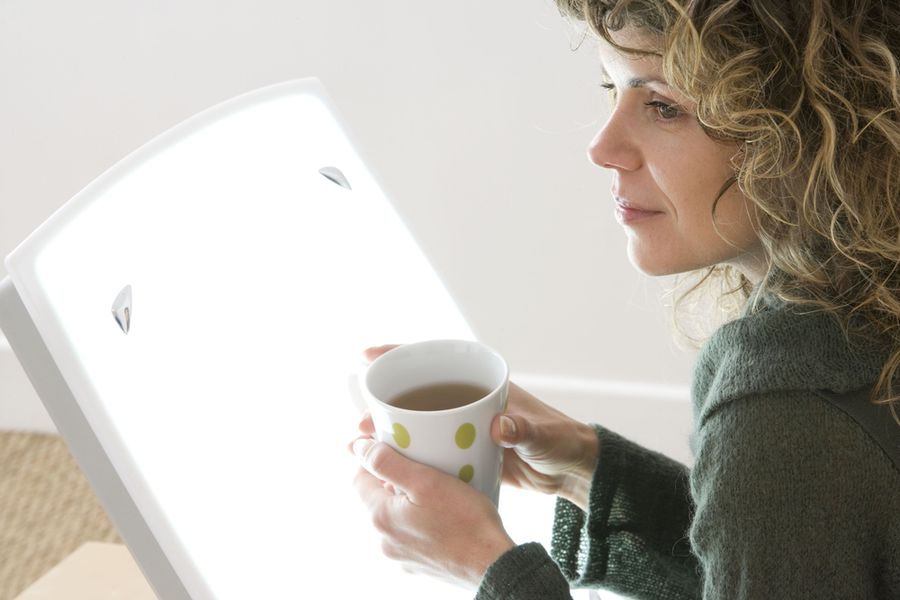
Short winter days can leave many people in the United States feeling low on energy, less motivated, and out of rhythm. Light therapy lamps are designed to bring bright, indoor light into your morning routine, which may help support mood and alertness during darker months. The key is choosing a lamp that is bright enough, comfortable to use, and easy to stick with day after day. It's important to understand the range of lamp options and features available.
What To Look For In A Light Therapy Lamp
Most light therapy lamps are compared by how much light they deliver and how you use them. A common target is a lamp that can deliver strong brightness at a reasonable sitting distance, so you can use it while reading, eating breakfast, or working at a desk.
Look for lamps that clearly state the brightness output and recommended distance. A lamp that only reaches its top brightness when your face is very close may be hard to use comfortably. You also want a lamp labeled UV-free or designed to filter UV, since the goal is bright visible light, not UV exposure.
Ease of use matters. A timer, multiple brightness levels, and a stable stand can make daily use simpler. If the lamp is annoying to set up or too harsh for your eyes, you are less likely to keep using it.
Size, Shape, And Comfort During Daily Use
Lamp shape affects how easy it is to fit light therapy into your routine. Larger panel lamps often feel more comfortable because you can sit naturally and still receive a wide field of light. Smaller lamps can work well for travel or tight desks, but you may need to be more careful about distance and angle.
Also consider glare. A lamp that is too intense or poorly diffused can feel uncomfortable, even if it is technically bright enough. A diffused panel that spreads light evenly can feel easier on the eyes.
Adjustability is a big plus. If the lamp can tilt up and down, you can place it slightly off to the side and still get useful exposure while avoiding staring directly into it.
Solid, Larger-Panel Options For Home Desks
If you want a lamp that feels stable and easy to use every morning, a larger panel design is often the best place to start.
Carex Day-Light Classic Plus is a commonly recommended large-panel style lamp. It is known for a broad light surface, which can make sessions feel more comfortable because you do not have to sit extremely close.
Northern Light Technologies Boxelite is another well-known panel-style option. It is often chosen by people who want a straightforward, bright box design that stays put on a desk or table.
These larger options tend to be less “cute,” but they can be easier to live with if you plan to use light therapy regularly through fall and winter.
Compact Lamps For Smaller Spaces Or Travel
If you need something lighter or easier to move around, compact lamps can still be effective when used as directed. The main tradeoff is that smaller lamps may require more careful placement to deliver enough light.
Verilux HappyLight Lucent is a compact, desk-friendly model that many people choose for its simple shape and easy setup. It is a practical pick if you want something that can sit near a laptop without taking over the whole desk.
Circadian Optics Lumos 2.0 is another compact option often chosen for smaller work areas. Lamps in this style are usually easiest for people who want a quick morning session at a desk, then want to store the lamp away.
With compact lamps, pay close attention to the recommended distance. If you sit too far away, you may not get the intended effect.
Features That Make A Lamp Easier To Stick With
The “best” lamp is often the one you will actually use consistently. Features that support daily use can matter as much as brightness.
A built-in timer helps you avoid clock-watching. Brightness levels can help you start lower and work up to a setting that feels comfortable. Some people like a warmer or softer tone option, while others prefer a bright, cool daylight feel. Controls should be simple enough to use when you are still waking up.
Portability can be helpful even if you do not travel. If you move between rooms in the morning, a lighter lamp is easier to keep in your routine.
Finally, consider your setup. If you plan to use a lamp at your desk, choose a stable base and a shape that fits beside your monitor. If you plan to use it at the kitchen table, a wider panel may feel more natural.
Safety Notes And Smart Ways To Use Light Therapy
Light therapy is not the same as a regular lamp. Many people use it in the morning, since late-day exposure can make it harder to fall asleep. Start with shorter sessions and adjust slowly based on comfort.
If you have eye conditions, take medications that increase light sensitivity, or have a history of bipolar disorder, it is smart to talk with a clinician before using a light therapy lamp. Comfort matters, too. If you feel headaches, eye strain, or agitation, reduce intensity or time.
A lamp should support your routine, not become another stressful task. Pairing light therapy with a consistent wake time, a short walk, or a simple breakfast habit can make it easier to keep up.
Choose A Lamp That Fits Your Space And Routine
The best light therapy lamp for seasonal mood support is the one that delivers strong, comfortable light at a realistic distance and fits naturally into your morning. Prioritize clear brightness guidance, UV filtering, comfort, and easy controls so you can use the lamp consistently through darker months.