

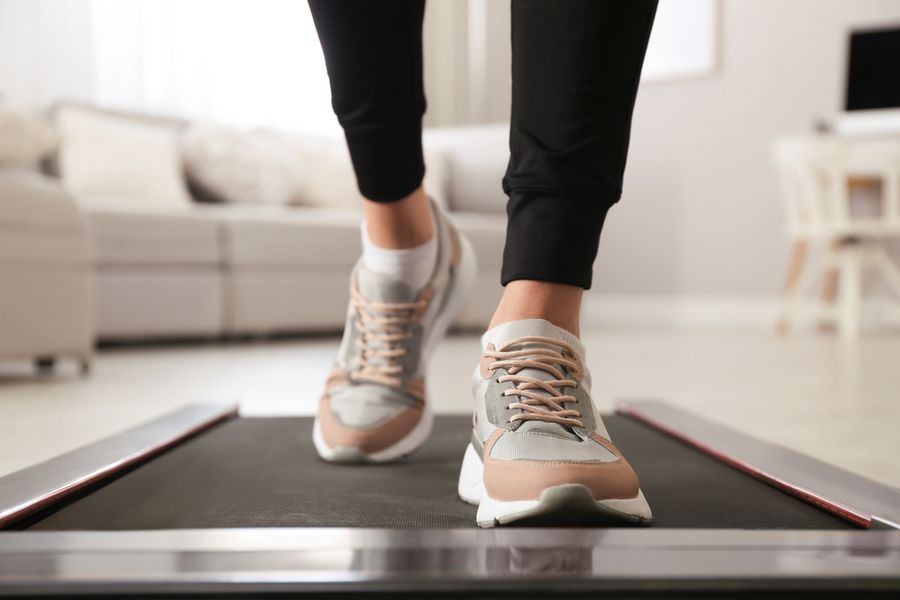
Walking pads have become a popular way for people in the United States to stay active without going outside or dedicating space to a full treadmill. The compact devices fit under desks, in small apartments, and beside furniture, making daily movement easier to build into a routine. But not all walking pads are created equal. Knowing which features matter most helps you choose a model that fits your space, supports your fitness goals, and lasts through regular use.
Size and Storage Fit
One of the first things to consider when choosing a walking pad is its size and how it fits your space. Walking pads are designed to be smaller than traditional treadmills, but their exact dimensions vary. You want a model that can fit comfortably in your room—whether that’s under a desk, in a living room corner, or next to your bed.
Check both the walking surface length and width. Longer surfaces give you more room for a natural stride, which can make walks feel more comfortable and safer, especially if you plan to use the pad for brisk walking rather than slow steps. If you intend to use your walking pad primarily under a desk while working, a narrower design might fit better.
Also think about storage. Many walking pads are slim and foldable, which helps if you need to slide the unit into a closet or under a bed between uses. A lightweight model with easy handling also makes storage less of a chore.
Motor Power and Speed Range
The motor is the heart of any walking pad. While walking pads don’t need the powerful motors of full treadmills, you still want a motor that is smooth, quiet, and reliable for daily use. A good walking pad will have enough power to support a range of speeds that match your goals—whether that’s a slow walk for active sitting or a brisk pace to elevate your heart rate.
Speed range matters too. Most walking pads offer speeds up to around 4 miles per hour, which is enough for most walking routines. If you plan to increase your pace over time or want more versatility for light jogging (if the model supports it), check that the maximum speed meets your needs.
Quiet operation is especially important if you plan to use the pad indoors while working, watching TV, or listening to podcasts. Look for models with good shock absorption and quiet belts, because frequent use on noisy units can become a disruption in small spaces.
Display, Controls, and Connectivity
How you interact with your walking pad affects your everyday experience. Some pads have simple control panels with basic speed buttons, while others offer digital displays with additional feedback like steps taken, calories burned, time, and distance.
Many modern walking pads offer remote controls so you can adjust speed without stopping or bending over. This is useful if you are walking while doing other tasks.
Connectivity features like Bluetooth or app support expand what your walking pad can track. Apps can show progress over time, sync with fitness trackers, and help you stay consistent with goals. This isn’t essential for everyone, but if you like tracking data and setting milestones, it’s a valuable feature.
When evaluating displays, also consider visibility. A clear, easy-to-read screen helps you stay informed at a glance, especially if you use the pad in front of a desk or during evening routines.
Build Quality and Weight Capacity
A walking pad should feel stable under your feet. Check the build quality—solid frames and quality materials make for a durable device that stands up to daily use. A flimsy frame can wobble or wear out prematurely, especially if multiple people in your household use it.
Weight capacity is another key factor. Choose a walking pad rated to support both your weight and any future changes—this ensures the belt and motor are not strained. Manufacturers list weight limits on product pages or manuals, and choosing a pad with a margin above your current weight helps extend its lifespan.
Also look at the belt quality. A belt that grips well and does not slip underfoot provides safer, more comfortable walking. Some models add textured surfaces or cushioning to make steps feel smoother and less jarring.
Safety Features and Ease of Maintenance
Safety should never be overlooked. Many walking pads come with a safety key or emergency stop feature that immediately stops the belt if you lose balance or need to stop quickly. This is especially important if the pad is used by older adults or around children.
Maintenance is another practical concern. Some pads are easier to maintain than others. Look for models that allow you to clean the belt and frame easily. Others may offer lubrication guides that help keep the belt running smoothly. Maintenance needs vary, but simple instructions and accessible parts make daily care less of a hassle.
Warranty and Support
Finally, check what kind of warranty and customer support the manufacturer offers. A solid warranty on the motor, frame, and electronics shows confidence in the product’s lifespan. Good customer support helps if you run into setup or performance issues.
Many brands provide online guides, video tutorials, and responsive support teams. These resources make a big difference, especially if you are new to using a walking pad or need help adjusting settings.
Choose Features That Fit Your Daily Habit
A walking pad can make daily indoor movement much more convenient—but only if you choose one that suits your space, goals, and routine. Focus first on size and storage fit, then consider motor power, speed range, and noise levels. Clear controls and connectivity help you interact comfortably, while strong build quality and safety features keep use reliable and secure.
When you prioritize these key factors, your walking pad becomes a dependable tool that supports consistent, healthy movement at home. Building a sustainable walking habit starts with choosing the right device for your life.