

Desk work can make posture drift in small, sneaky ways. Shoulders round forward, the head slides toward the screen, and the upper back gets tight by afternoon. Posture correctors can help, but only when they are comfortable, easy to wear, and used the right way. The best options are generally not the stiffest braces. They are the ones that provide gentle reminders and support without limiting breathing or movement during a normal workday.
Know What A Posture Corrector Can And Cannot Do
A posture corrector is not a permanent fix on its own. It cannot “train” your body if you wear it all day and forget about it. What it can do is give a physical cue that helps you notice slouching and return to a better position.
For desk work, the goal is usually shoulder and upper-back alignment. Many posture correctors gently pull the shoulders back, which can reduce the forward slump that happens while typing. The best approach is to use the corrector for short sessions while also improving desk setup and adding light movement breaks. Think of it as a reminder tool, not a replacement for strength and mobility.
Strap-Style Posture Correctors For Simple Daily Support
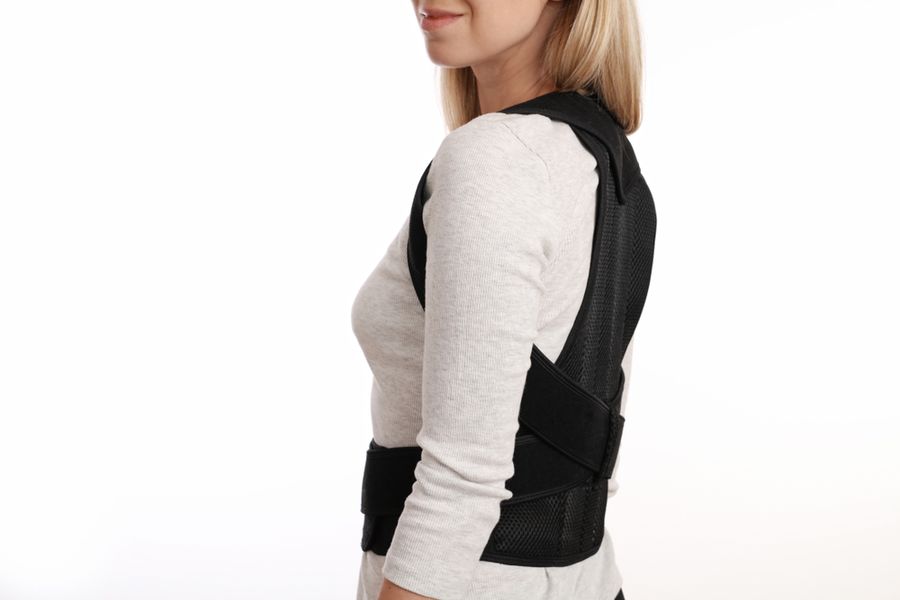
Strap-style posture correctors are the most common and often the easiest to wear under clothing. They usually form a figure-eight shape across the upper back and loop around the shoulders. This design encourages the shoulders to stay back without locking the spine in place. A good example is the ComfyBrace posture corrector, which focuses on adjustable straps so users can tune the level of pull.
When choosing a strap-style corrector, prioritize comfort around the underarm area. Rough edges and tight straps can cause irritation, especially during long computer sessions. Look for soft fabric and smooth seams. A simple, adjustable design is usually more practical than complicated multi-strap systems.
Posture Trainers With Sensors For Real-Time Reminders
Some people do better with a reminder than with physical pulling. Sensor-based posture trainers attach to the upper back and vibrate when you slouch. They help you build awareness without restricting movement.
The Upright GO is one example of a sensor-based posture trainer designed to give vibration feedback when posture changes. Devices like this can be helpful for desk workers because you can wear them under a shirt and receive a gentle reminder without changing how you move your shoulders.
The main advantage of sensor trainers is behavior change. Instead of relying on constant pressure, you learn to adjust yourself. The downside is that these devices require charging and setup through an app, which some people find annoying. If you like data, reminders, and habit building, this category can be a strong fit.
Sitting Supports That Improve Posture Without Straps
Not everyone wants to wear a brace. For desk work, chair-based posture tools can support alignment without attaching to your body. These products focus on improving sitting position by guiding the pelvis and lower back into a more stable posture.
Lumbar support cushions are a common choice. While they are not posture correctors in the traditional sense, they help prevent the slumped shape that leads to rounded shoulders. Seat cushions can also improve comfort and reduce the urge to slide forward in a chair.
A practical way to use this approach is to pair a supportive lumbar cushion with a short-wear posture corrector session. The cushion supports your sitting base, and the corrector provides an upper-back reminder. This combination often feels more natural than relying on one tool all day.
Fit, Breathability, And Wear Time Rules
Fit is the difference between a useful posture corrector and one that ends up in a drawer. A corrector should feel snug but not tight. You should be able to take full breaths and move your arms freely. If a device limits breathing, presses into the neck, or rubs the underarms, it is not a good daily desk option.
Breathability matters because posture correctors sit close to the skin. Lightweight fabric, mesh panels, and smooth edges improve comfort, especially in warm offices or during long meetings.
Wear time is also important. Many people do best starting with short sessions, such as 15 to 30 minutes, then taking breaks. Wearing a corrector all day can cause dependence and reduce natural muscle engagement. The goal is to build awareness and strength, not to outsource posture to a device.
Choose A Posture Corrector You Can Actually Use
The best posture correctors for daily desk work are the ones that fit your routine and feel comfortable enough to wear consistently. Strap-style correctors can provide gentle shoulder support, while sensor-based trainers offer reminders that build awareness.
Chair-based supports improve posture without wearing anything at all. Focus on fit, breathability, and short wear sessions, then pair the tool with small desk adjustments and movement breaks. With the right approach, posture support becomes practical, not painful.