

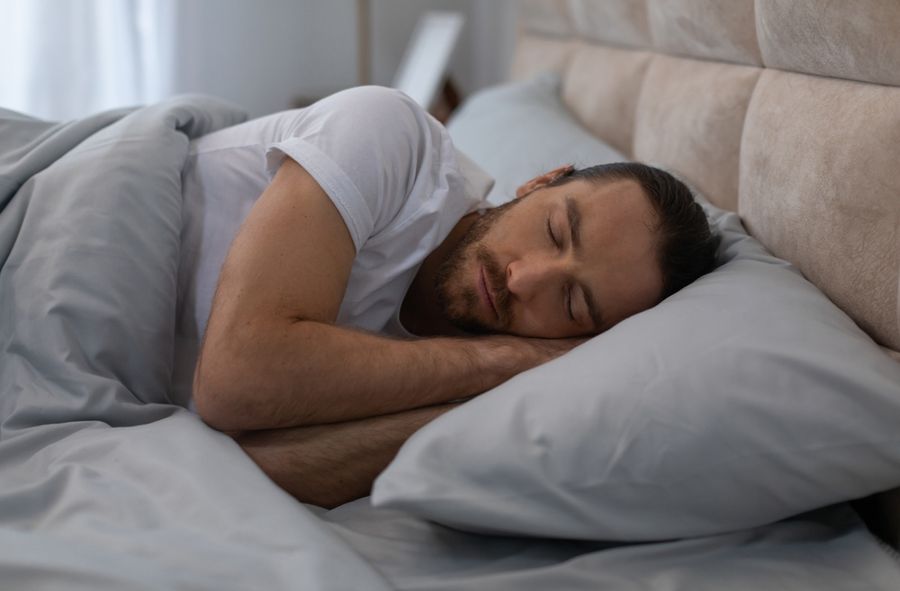
Many people struggle with falling asleep or staying asleep, but not everyone wants to rely on medication. Non-medicated sleep aids focus on comfort, environment, and routine rather than chemicals. Many tools can help signal your body that it is time to rest and reduce common sleep disruptions. From sound and light control to relaxation tools, the right combination can improve sleep quality over time. Understand effective home sleep aids that do not involve medication.
White Noise Machines and Sound Control
Sound plays a major role in sleep quality. Sudden noises, traffic, or household sounds can wake you up or prevent deep sleep. White noise machines help by creating a steady background sound that masks sudden changes in noise.
Many white noise machines offer options such as white noise, pink noise, rain, or fan sounds. A consistent sound can help your brain relax and stop focusing on random noises. These devices are especially useful for people who live in apartments, near busy streets, or with others who have different schedules.
For some people, a simple fan or a sound app on a phone can work, but dedicated machines are often more consistent and do not rely on notifications or screens that can interrupt sleep.
Light Control Tools for Better Sleep
Light exposure has a strong effect on sleep cycles. Too much light at night can signal your brain to stay alert, while darkness supports natural sleep hormones. Blackout curtains are one of the most effective non-medicated sleep aids for this reason.
Blackout curtains block outside light from street lamps, cars, and early morning sun. They are helpful for shift workers, light sleepers, and anyone who goes to bed early or wakes up late. Even partial light reduction can make a noticeable difference.
Another helpful tool is a sleep mask. A well-fitting sleep mask blocks light without pressing on the eyes. Some people prefer masks with soft contours that leave space around the eyes, which can feel more comfortable during long use.
Comfortable Bedding and Sleep Surfaces
Physical comfort is a major part of falling and staying asleep. Pillows, mattress toppers, and breathable sheets can all act as sleep aids when chosen correctly.
A supportive pillow keeps the neck and head aligned with the spine. Side sleepers, back sleepers, and stomach sleepers often need different pillow shapes and firmness levels. Finding the right match can reduce tossing and turning.
Mattress toppers can also help if a mattress feels too firm or worn. Materials like memory foam or latex can add cushioning and pressure relief without replacing the entire mattress. Breathable sheets made from materials like cotton or bamboo can help regulate temperature, which is important for uninterrupted sleep.
Relaxation Tools for Pre-Sleep Routines
Many sleep problems begin before bedtime. Stress and mental activity can keep the mind alert even when the body is tired. Relaxation tools help create a calming routine that prepares the body for rest.
Weighted blankets are one popular option. They provide gentle, even pressure that some people find calming. This pressure can help reduce restlessness and make it easier to relax in bed.
Another option is guided relaxation or breathing devices. These may include audio guides, simple breathing lights, or apps designed to slow breathing and focus attention. When used consistently, these tools can help signal the transition from daytime activity to sleep.
Temperature and Air Quality Support
Sleep quality is closely tied to temperature and air comfort. Rooms that are too warm or too cold can interrupt sleep. Fans, cooling pillows, and breathable bedding can help regulate body temperature.
Air quality also matters. Dry air can cause throat or nasal discomfort, while stale air can feel heavy. A basic humidifier can add moisture to dry air, especially in colder months. Some people also benefit from air purifiers if allergies or dust affect breathing at night.
The goal is to create a bedroom environment that feels fresh, calm, and physically comfortable throughout the night.
Building Consistency With Sleep Tools
Even the best sleep aids work best when used as part of a consistent routine. Going to bed and waking up at the same time each day helps train your internal clock. Using the same sleep aids nightly reinforces signals that it is time to rest.
It is also helpful to limit screen use before bed. Blue light from phones and tablets can interfere with natural sleep signals. Pairing light control tools with reduced screen time often improves results.
Non-medicated sleep aids are not instant fixes, but many people see gradual improvement when they use them consistently over several weeks.
Creating a Calm Sleep Environment Without Medication
Non-medicated home sleep aids focus on comfort, routine, and environment rather than quick chemical solutions. Tools like white noise machines, blackout curtains, supportive bedding, relaxation aids, and temperature control can work together to improve sleep quality.
The best approach is often a combination of small changes that support natural sleep patterns. By creating a calm and consistent sleep environment, many people can rest better without relying on medication.