

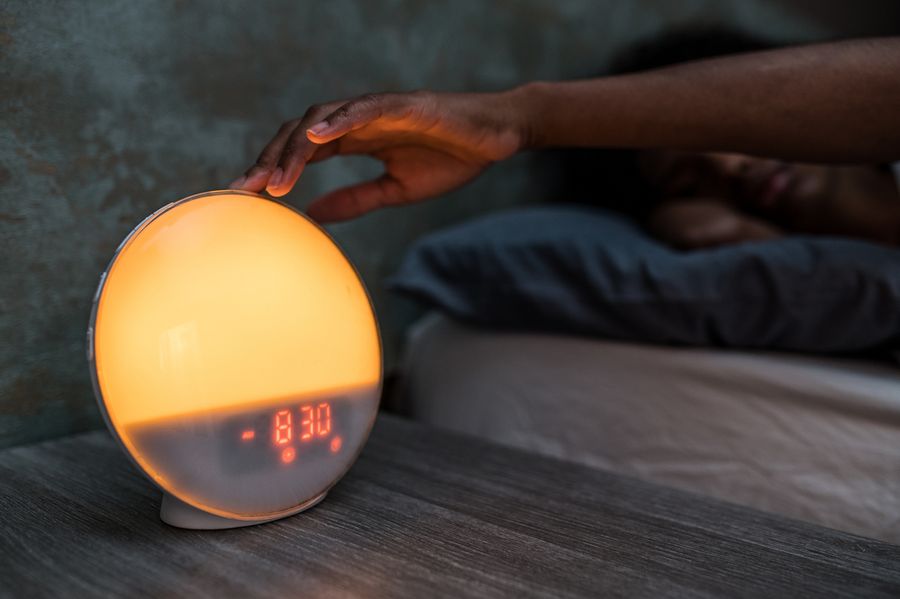
Waking up to a harsh alarm can feel stressful, especially during dark winter mornings or after short sleep. Light alarm clocks, often called sunrise alarm clocks, aim to make wake-ups gentler by brightening the room before your alarm time. For many people, it can feel more natural than a sudden buzz. The key is choosing a model with the right light strength, controls, and routines so it fits your bedroom and your sleep habits.
Understand How Sunrise Alarms Work
A light alarm clock slowly increases brightness over a set time window, such as 10 to 30 minutes before your wake time. The goal is to mimic a sunrise, giving your body a softer signal to wake up. Many models pair the light with a sound alarm at the end, so you still have a backup if you sleep deeply.
When comparing models, look for adjustable ramp time. Some people prefer a short, quick brightening, while others want a slow fade. It also helps if the clock allows different schedules for weekdays and weekends. A sunrise routine that matches your real schedule is more likely to be used long term.
Top Light Alarm Clock Options
Popular options include the Philips SmartSleep Wake-Up Light, which is well known for its smooth light transition and multiple nature sound alarms, and integrates reliably as a standalone bedside device without requiring apps. The Hatch Restore is another widely used model that combines a customizable sunrise light with sleep sounds and a minimalist design, appealing to users who want both sleep and wake routines in one unit.
For a more budget-friendly option, the Lumie Bodyclock Shine series offers straightforward light-based alarms with physical controls and a strong reputation for durability and simplicity. These products vary mainly in smart features, sound customization, and price, but all focus on using gradual light exposure rather than abrupt noise to create a gentler wake-up experience.
Brightness, Color, and Light Quality
Brightness is one of the biggest differences between models. If your room gets a lot of morning light already, you may not need a very powerful lamp. If you sleep in a darker space, have blackout curtains, or wake up before sunrise, a stronger light can help.
Good light alarms allow brightness adjustment so you can set it low for sensitive eyes or higher for darker rooms. Color options matter too. Many people prefer warmer light in the morning because it feels softer and less harsh. Some devices offer cooler tones or a mix, which can feel more like daylight as the light grows.
Also consider how the light spreads. A lamp that throws light widely can brighten the room more evenly, while a narrow beam may feel less effective unless it faces you directly. If you share a bedroom, a more focused lamp may help you avoid waking a partner too early.
Controls, Ease of Use, and Daily Setup
A sunrise alarm only helps if it is easy to use when you are half awake. Simple controls matter. Look for clear buttons, a readable display, and settings that do not require digging through long menus every night.
If you like phone control, some models offer apps that manage schedules, brightness, and sound. This can be convenient, but it also adds a dependency on your phone and Wi-Fi. If you want fewer points of failure, a device with reliable on-device controls may be better.
Dim displays are important for sleep. A bright clock face can bother light sleepers. Many good models offer display dimming or an option to turn the display off completely.
Sound Options and Backup Alarms
Even if you want light-first waking, most people still need an audio alarm as a backup. Useful sound options include gentle tones, nature sounds, or a low-volume beep that ramps up slowly. A harsh alarm can defeat the purpose of a calm wake-up.
Volume control should be flexible, not just “low” and “high.” Some devices also offer a snooze that is easy to tap, while others require pressing a button that is hard to find when sleepy. If you rely on snooze, pick a clock that makes it simple without being so easy that you snooze for an hour.
Power backup is another feature worth checking. If the power goes out overnight, some clocks reset and you may miss your alarm. Devices that hold settings through outages or have battery backup reduce that risk.
Helpful Extras That Improve Sleep, Not Just Wake-Ups
Many light alarm clocks include features designed for bedtime too. A sunset mode can slowly dim the light at night, which can support a calmer wind-down. If you read in bed, a warm, adjustable bedside light can replace turning on a bright overhead lamp.
Some devices include guided routines, breathing exercises, or white noise. These can be helpful, but only if you will actually use them. A good rule is to prioritize the basics first: strong sunrise function, easy controls, and reliable alarm behavior. Extras should be a bonus, not the reason you buy the device.
If you want real-world examples, popular models in the category include the Philips SmartSleep Wake-Up Light line, Hatch Restore, and Lumie Bodyclock options. They differ in how they handle light strength, app control, and bedtime features, so the best choice depends on whether you want a simple alarm or an all-in-one sleep device.
Choose Features That Make Waking Up Feel Easier
A light alarm clock can improve wake-ups by replacing sudden noise with a gradual, gentle rise in light. The best results come from choosing the right brightness, a comfortable light color, simple controls, and a dependable backup alarm.
Bedtime features like sunset dimming and calming sound can be useful, but they should support your routine rather than complicate it. When you match the clock’s features to your room and your schedule, waking up can feel calmer, steadier, and more natural.