

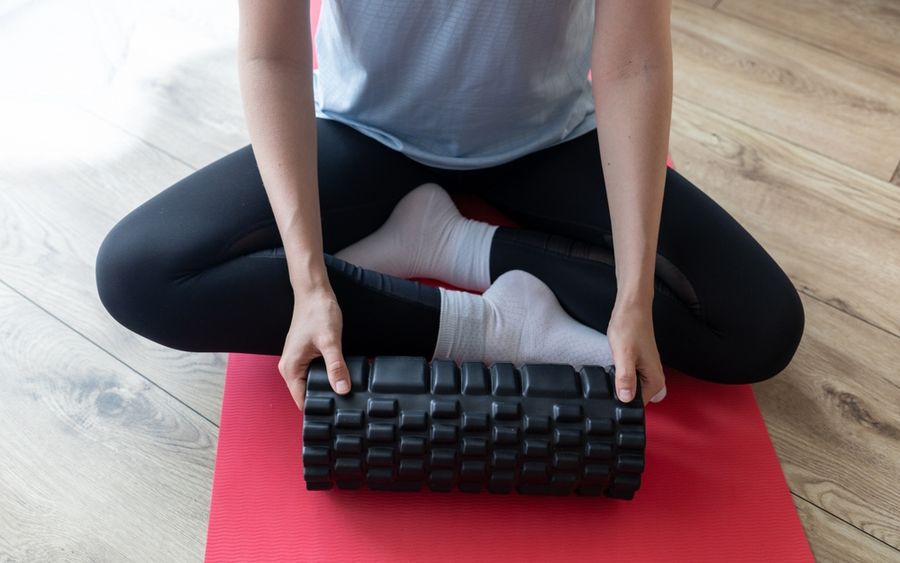
Taking care of your muscles after exercise is an important part of staying active and avoiding discomfort. Foam rollers have become a popular tool for at-home recovery because they are simple to use and do not require special training. By applying gentle pressure to different muscle groups, foam rollers can help reduce tightness and improve how your body feels after workouts. Learning how to use them correctly can support better recovery and long-term comfort.
What Is a Foam Roller and How It Works
A foam roller is a firm cylinder made of dense foam that is used to apply pressure to muscles. This practice is often called self-myofascial release, which means working on the soft tissue around your muscles. When you roll slowly over tight areas, the pressure can help release tension and improve movement.
The process works by encouraging blood flow to the targeted muscles. As circulation improves, your body can deliver oxygen and nutrients more effectively. This can help muscles recover after exercise and may reduce feelings of soreness. Foam rolling is often used before and after workouts to keep muscles flexible and ready for activity.
Reducing Muscle Tightness and Soreness
One of the main reasons people use foam rollers is to ease muscle tightness. After physical activity, muscles can feel stiff or sore due to small amounts of stress placed on them. Foam rolling can help loosen these areas by applying steady pressure.
Regular use may also help reduce delayed soreness that appears a day or two after exercise. By rolling over affected areas, you can help your muscles relax and recover more comfortably. This can make it easier to return to your normal routine without feeling limited by stiffness.
Improving Flexibility and Range of Motion
Foam rolling can also support better flexibility. Tight muscles can limit how far you can move your joints, which may affect your overall performance. By releasing tension in these muscles, foam rolling can help improve your range of motion.
Using a foam roller before exercise can prepare your body for movement. It can help warm up the muscles and make stretching more effective. Over time, this can lead to smoother and more controlled movements during physical activity.
Supporting Recovery After Workouts
Recovery is an essential part of any fitness routine. Foam rollers can be used after exercise to help your body return to a relaxed state. By gently rolling over worked muscles, you can reduce tension and support the recovery process.
This simple practice can also help you become more aware of your body. You may notice areas that feel tighter or more sensitive, which can guide your future workouts and recovery plans. Paying attention to these signals can help prevent overuse and support better overall health.
Choosing the Right Foam Roller
Foam rollers come in different shapes and firmness levels. Some are smooth, while others have textured surfaces that provide deeper pressure. Beginners often start with a softer roller, as it is more comfortable to use.
As you become more familiar with foam rolling, you may choose a firmer option for more targeted pressure. The right choice depends on your comfort level and recovery needs. Trying different types can help you find what works best for your routine.
Tips for Safe and Effective Use
To get the most benefit from foam rolling, it is important to use proper technique. Move slowly and avoid rolling directly over joints or bones. Focus on muscle areas and pause on spots that feel tight, allowing the pressure to work.
It is also important to listen to your body. Foam rolling should feel like mild discomfort, not sharp pain. Staying consistent with short sessions can provide better results than long, infrequent use. Keeping your routine simple and regular can make a noticeable difference over time.
Making Recovery Part of Your Routine
Foam rollers offer a simple and effective way to support muscle recovery at home. By reducing tightness, improving flexibility, and encouraging better circulation, they can help your body feel more comfortable after exercise.
Adding foam rolling to your routine does not take much time, but it can bring lasting benefits. With regular use and proper technique, you can support your muscles, improve your movement, and stay ready for your next activity.