

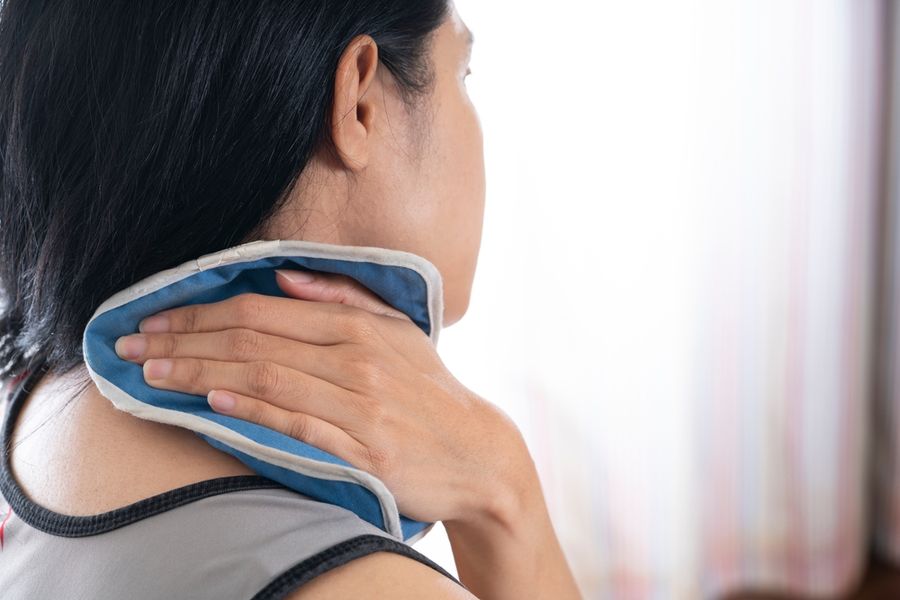
Cold therapy has long been used to manage soreness, swelling, and everyday aches. Many people now use at-home cold therapy tools as part of recovery routines, workouts, or general wellness habits. From simple ice packs to more advanced cooling wraps, options have expanded beyond the freezer. Still, not every method works the same way or fits every situation. It's crucial to understand common at-home cold therapy approaches as well as which ones are most practical for regular use.
Traditional Ice Packs And Cold Compresses
Ice packs remain the most common and accessible form of cold therapy. They work by lowering skin temperature, which can help calm irritated areas and reduce short-term discomfort. Reusable gel packs are popular because they stay cold longer than ice in a bag and are less messy.
For best use, ice packs should be wrapped in a thin towel to avoid direct contact with the skin. This helps prevent irritation or numbness. Ice packs are useful for short sessions, usually around 10 to 20 minutes, and are best for small or specific areas like knees, shoulders, or ankles.
The main downside is convenience. Ice packs need to be frozen ahead of time and may not stay cold long enough for extended sessions. Still, for simple and targeted use, they remain effective.
Cold Wraps And Compression Sleeves
Cold wraps combine cooling with light compression. These products often include a gel insert that can be chilled and placed inside a fabric wrap or sleeve. Compression helps keep the cold source in place and can add support during use.
Cold wraps are commonly used for joints, such as elbows or knees, where holding an ice pack can be awkward. The wrap design allows movement while maintaining contact with the affected area. This makes them useful for people who want to stay active during recovery.
Some wraps are adjustable, while others are sized. Choosing the right fit matters for comfort and effectiveness. If a wrap is too tight, it can feel restrictive. If it is too loose, the cooling effect may be uneven.
Ice Massage Tools And Rollers
Ice massage tools provide a more active form of cold therapy. These tools are often filled with water, frozen, and rolled or moved across the skin. The motion helps combine cold exposure with gentle pressure.
Ice rollers are commonly used on larger muscle areas, such as thighs or calves, after physical activity. They can also be used on smaller areas with controlled movement. The rolling action helps spread the cooling effect and can feel more engaging than a static ice pack.
Because ice massage involves movement, sessions are usually shorter. It is important to move the tool continuously rather than holding it in one spot. This approach can feel refreshing but may not be ideal for people who prefer hands-free solutions.
Cold Therapy Machines For Home Use
Cold therapy machines circulate chilled water through a pad or wrap that rests on the body. These systems are more structured and are often used after surgery or intense physical activity, though some people use them for general recovery at home.
The main benefit of these machines is consistent cooling. Water circulation helps maintain an even temperature over time. This can feel more controlled than ice packs that warm up quickly.
However, cold therapy machines take up more space and require setup. They are best suited for people who use cold therapy regularly and want a predictable experience. For occasional use, simpler tools may be more practical.
Cold Showers And Contrast Therapy
Some people use cold showers as a form of at-home cold therapy. Cold water exposure can feel energizing and may reduce feelings of soreness after exercise. Cold showers do not target one specific area, but instead affect the whole body.
Contrast therapy involves alternating between warm and cold water. This approach is often used in showers and focuses on changes in temperature rather than prolonged cold exposure. Some people find this method refreshing, while others find it uncomfortable.
Cold showers require no equipment, but they may not be suitable for everyone. Starting with cooler water rather than full cold can make the experience easier to tolerate.
Safety And Comfort Considerations
Cold therapy should always feel controlled, not painful. Prolonged exposure or direct contact with frozen surfaces can irritate the skin. Limiting sessions and checking skin condition during use helps reduce risk.
People with circulation issues, nerve sensitivity, or certain medical conditions should use caution and consult a healthcare professional before regular cold therapy use. Comfort matters as much as effectiveness. If a method feels stressful or unpleasant, it may not be the right choice.
It also helps to pair cold therapy with rest and gentle movement. Cold therapy is one part of recovery, not a standalone solution.
Choosing The Right Approach For Your Needs
The best at-home cold therapy approach depends on how often you plan to use it and what areas you want to target. Ice packs and cold wraps work well for occasional or focused use. Ice rollers add movement and flexibility. Machines provide steady cooling for routine use, while cold showers offer a no-equipment option.
Trying more than one approach can help you find what fits your routine. What works after a workout may differ from what works for everyday soreness.
Simple Tools Can Be Effective When Used Well
At-home cold therapy does not need to be complicated to be effective. Traditional ice packs, cold wraps, rollers, and even cold water exposure can all play a role when used safely and consistently.
The key is choosing an approach that fits your lifestyle and comfort level. By understanding how each method works, you can use cold therapy as a practical tool for recovery and daily care without overthinking the process.