
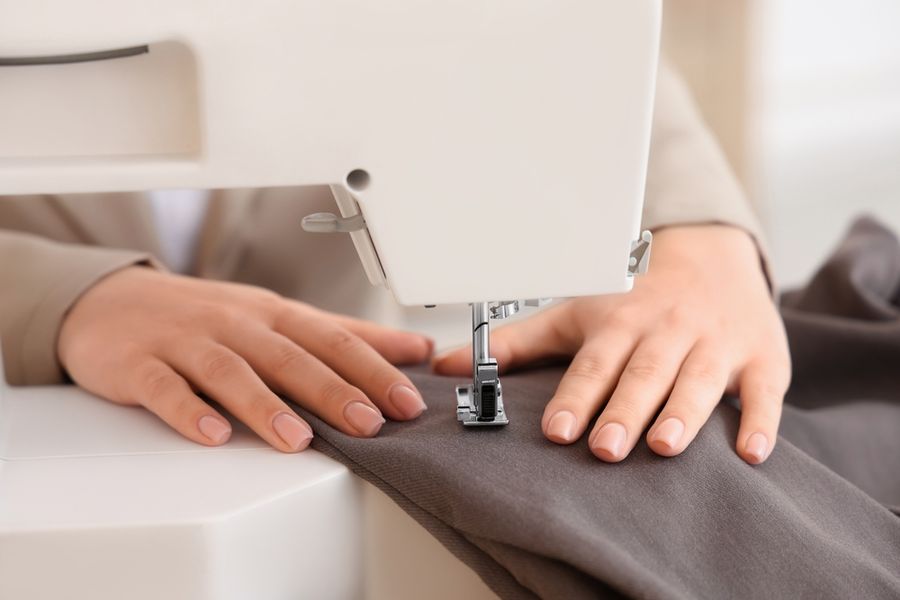
A good sewing machine can handle simple home projects like hemming pants, fixing seams, making pillow covers, and sewing basic curtains. But shopping for one can get confusing fast. Models vary in stitch options, ease of use, and how well they handle thicker fabrics. For beginners, the best machine is usually the one that is steady, easy to thread, and dependable for common repairs. It's important to compare popular sewing machine models to understand what each does best.
What “Basic Home Projects” Require From A Machine
Most home projects fall into two buckets: repairs and simple home items. Repairs include hemming, patching, sewing on buttons, and fixing tears. Home items include pillow covers, table runners, simple tote bags, and curtains. These tasks do not require hundreds of fancy stitches, but they do require consistent stitching and basic features that reduce frustration.
At minimum, look for straight stitch, zigzag stitch, a simple buttonhole, adjustable stitch length, and a free arm for cuffs and sleeves. A built-in light, an easy bobbin system, and a clear threading path matter more than decorative extras. If you plan to sew denim hems or thicker canvas, motor strength and stable feeding become more important.
Best For Beginners Who Want Simple, Reliable Sewing
If you want a straightforward machine for occasional projects, two common choices are the Brother XM2701 and the Singer Start 1304. Both are widely used entry-level models and focus on basic sewing rather than advanced features.
The Brother XM2701 is often chosen because it is easy to thread, has a clear stitch selector, and includes a good set of basic utility stitches. It also typically handles lightweight to medium fabrics well, which covers many home needs like cotton, simple knits, and basic repairs.
The Singer Start 1304 is simple and beginner-friendly, with a basic dial system and a learning curve that feels manageable. It is a good fit for very light home use, such as occasional hemming or small craft items. For thicker layers, you may need to slow down, use the right needle, and avoid forcing fabric through.
For beginners, the big difference is how the machine feels while you use it. If possible, choose a model with clear controls and a stable base so the machine does not shake during longer seams.
Best Computerized Option For Versatile Home Sewing
Computerized machines can be helpful for basic projects because they often provide smoother stitching, easier buttonholes, and simple speed control. A popular model in this category is the Brother CS7000X.
The Brother CS7000X is a strong choice for home projects because it combines easy controls with practical features. It offers a wide range of utility stitches, a helpful speed slider, and a one-step buttonhole. The speed control is valuable if you are learning, since it helps prevent “runaway sewing” on long seams. It also tends to work well for quilting-style cotton projects and everyday household sewing.
The main thing to know about computerized machines is that they can feel less “mechanical,” but they still require basic care. Keep the bobbin area clean, use the correct needle, and avoid sewing over pins.
Best For Thicker Fabrics Like Denim And Canvas
If you plan to hem jeans, repair heavy work pants, or sew thicker bags, you may want a model built for heavier fabrics. Two models often considered for this type of work are the Singer Heavy Duty 4452 and the Brother ST371HD.
The Singer Heavy Duty 4452 is known for higher sewing speed and a reputation for handling thicker materials when paired with the right needle and thread. It can be a practical choice for denim hems, multiple layers of cotton, and sturdier home projects. For best results, use a denim needle for jeans and take thicker seams slowly.
The Brother ST371HD is another option aimed at heavier work. It is designed to handle tougher fabrics while still being approachable for beginners. It can be a good fit if you want a simpler machine that leans more utility than decorative sewing.
With any “heavy duty” label, it helps to keep expectations realistic. No home machine loves sewing through many layers of thick webbing. But for common heavy fabrics like denim, canvas, and thicker cotton, these models can make the work easier.
Best Mechanical Workhorse For Long-Term Use
If you want a machine that feels sturdy and is designed for long-term reliability, a mechanical model like the Janome HD3000 is often considered a strong step up for home sewing.
The Janome HD3000 is a mechanical machine with a solid feel, simple controls, and practical stitch options. It is a good fit for people who want a machine that can handle frequent home use without feeling flimsy. Mechanical controls can also be easier to troubleshoot since the settings are straightforward and less dependent on a screen.
This type of machine can be ideal if you want one dependable tool for years of repairs and home projects. It may not feel as “feature rich” as a computerized model, but for basic sewing, steady performance matters most.
Pick The Machine That Matches Your Most Common Projects
For basic home projects, the best sewing machine is the one that fits your fabric needs and feels easy to use. The Brother XM2701 and Singer Start 1304 work well for beginners and light repairs. The Brother CS7000X adds helpful modern features for everyday sewing.
If you expect thicker fabrics, the Singer Heavy Duty 4452 or Brother ST371HD may be a better match. For a sturdy long-term option, the Janome HD3000 is worth considering. Choose based on what you will sew most often, and you will get more use and less frustration from day one.