

Mechanical keyboards turn typing into a hobby because small choices can change how a board feels and sounds. For many people in the United States, the best keyboard is not the “fastest” one, but the one that feels smooth, stays comfortable for long sessions, and matches a personal style. Understand popular keyboard models that hobbyist typists often consider, weighing factors like layout, switch feel, noise, and customization options.
What Matters Most for Typing Feel
Three things shape the typing experience: switches, stabilizers, and the case. Switches control how each key press feels. Linear switches feel smooth, tactile switches have a small bump, and clicky switches make a sharp click sound.
Stabilizers sit under larger keys like the spacebar and Enter key. Good stabilizers help those keys feel steady and less noisy. The case and plate also affect sound. A heavier case often feels more solid, while different plate materials can make the sound softer or sharper.
Solid “No-Fuss” Picks That Just Type Well
If you want a keyboard that feels great without needing changes, classic prebuilt models can be a smart start. The Leopold FC750R is a long-time favorite for clean build quality and a firm, stable feel. It is usually a simple board with few extra features, but many typists like it because it stays focused on the basics.
The Ducky One 3 is another strong prebuilt option with wide switch choices and a friendly typing feel out of the box. Many people also like Filco Majestouch 2 boards for their sturdy build and reliable day-to-day use. If you prefer a unique look and smooth factory tuning, Varmilo VA87M models are often picked for their finish and consistent feel.
Modern “Custom-Like” Boards for Easy Tweaks
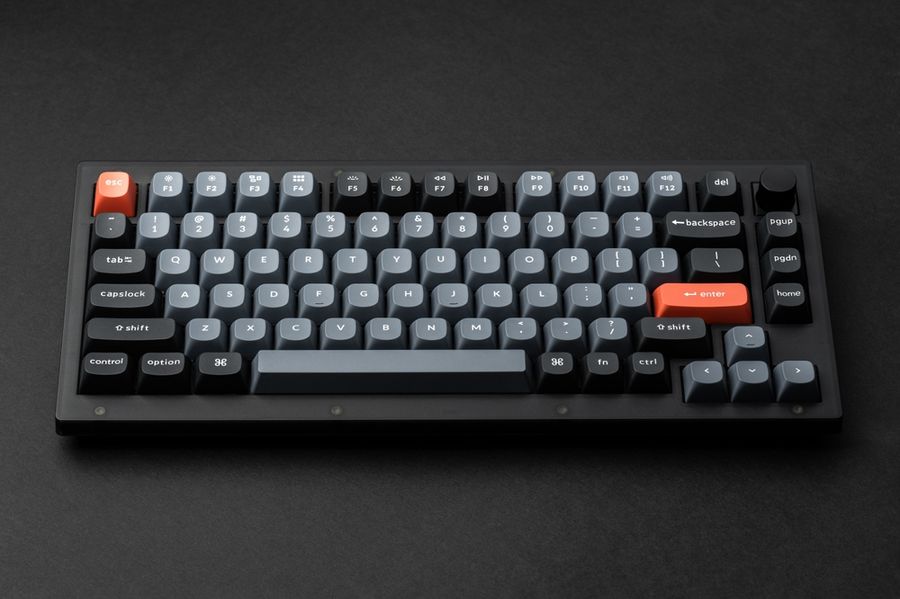
Some keyboards aim to feel close to a custom build while staying easy to buy and use. The Keychron Q1 and Keychron Q3 are popular because they have metal cases, a solid weight, and a layout that works well for typing. They are also made for hobbyists who may want to swap switches, change keycaps, or tune the sound later.
The Glorious GMMK Pro is another common choice in this space. It supports hot-swap switches, which means you can try different switch types without soldering. That is helpful if you are still learning what you like. The Drop CTRL is also often discussed for its metal build and clean style, though many hobbyists still choose to tune it with small changes like better stabilizers or added foam.
Compact Layouts That Still Feel Great
Some typists want a smaller board to save desk space, but still want a comfortable layout. The Keychron K2 and Keychron K8 Pro are popular compact choices that keep the keys most people use every day. Many hobbyists like them as a first step into mechanical keyboards because they are simple to set up and easy to live with.
If you want an even cleaner desk, boards like the Akko 5075B Plus offer a compact layout with room for hobby-style features, like hot-swap support and wireless options on some versions. Compact boards can feel faster to use once you adjust, but they may take time if you rely on a full number pad or extra keys.
Quiet and Premium Typing: Topre Classics
If your goal is a smooth, quiet, and high-end feel, Topre boards are worth knowing. These keyboards do not use normal mechanical switches. Instead, they use a different switch style that many people describe as soft, crisp, and very controlled.
The HHKB Professional Hybrid Type-S is a well-known choice for focused typing, especially for people who like compact layouts and a unique key arrangement. The Realforce R2 line is another popular Topre option, often chosen for comfort during long typing sessions. These boards are not for everyone, but typists who love them often stick with them for years.
Choosing Based on Sound, Comfort, and Upgrades
If you share a space or want less noise, consider tactile or quiet switches and look for boards with good stabilizers. A heavier board like the Keychron Q series can also help the sound feel deeper and less sharp. If you love trying new switches, hot-swap models like the GMMK Pro, Drop CTRL, and many Keychron boards make that easy.
Comfort matters as much as sound. A tenkeyless layout like the Leopold FC750R, Varmilo VA87M, or some Ducky One 3 versions can be a good balance, because it keeps the main typing area while saving desk space. If you type for long hours, consider adding a wrist rest and adjusting your chair and desk height. Even the best keyboard can feel “wrong” if your posture is off.
Pick the Board That Fits How You Type
The best mechanical keyboard for hobbyist typing depends on what you value most: a clean and steady prebuilt feel, easy switch testing, a compact desk setup, or a quiet premium experience.
Models like the Leopold FC750R and Ducky One 3 are strong “just type” choices, while Keychron Q boards and the GMMK Pro make upgrades simple. If you want something different, HHKB and Realforce offer a unique feel many typists love. Start with your comfort, then chase your favorite sound.