

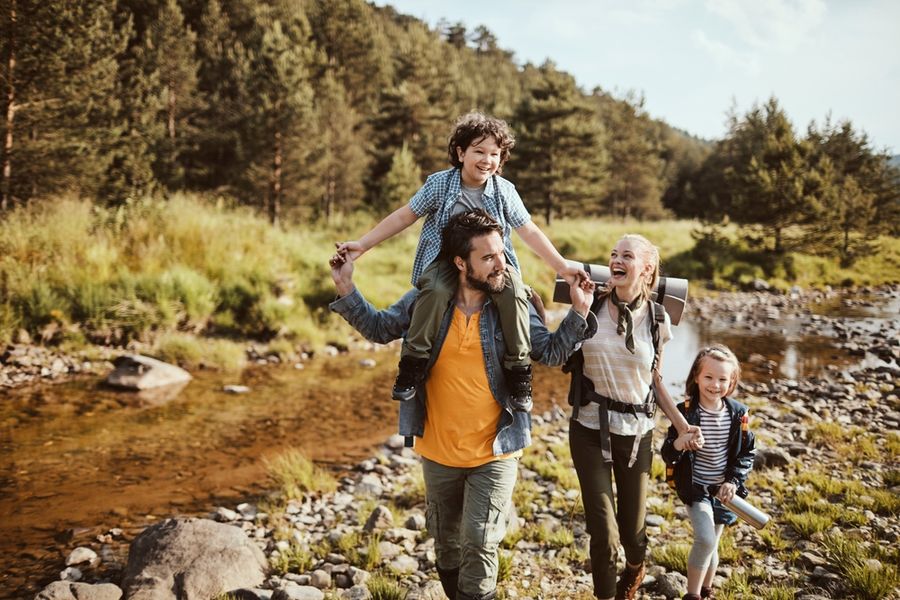
Building healthy habits is easier when fitness feels like a normal and enjoyable part of family life. Traditions help with that because they repeat over time and create shared memories. When movement is part of what families do together, it feels less like exercise and more like connection. From simple weekly routines to seasonal activities, many family traditions encourage fitness in ways that work for kids, adults, and older family members alike.
Weekly Family Walks or Bike Rides
One of the easiest traditions to start is a weekly walk or bike ride. It does not need to be long or intense to be helpful. A relaxed walk through the neighborhood, a park loop, or a nearby trail gives everyone a chance to move and talk at the same time. Bike rides can work well for families with older kids who enjoy a bit more speed.
The key is consistency, not distance. Picking the same day each week helps turn it into a habit. Some families like Sunday afternoon walks, while others prefer evening rides during warmer months. These outings support heart health, improve mood, and give families space to check in with one another without screens.
Active Weekend Outings
Many families already spend weekends together, so adding movement to that time feels natural. Active outings might include hiking, visiting a nature preserve, swimming at a lake, or walking around a zoo or large museum. These activities feel like fun rather than workouts, which helps all ages stay engaged.
Rotating who chooses the activity can keep things fresh and inclusive. Younger kids might pick playground visits, while teens may prefer longer hikes or sports-based outings. These shared experiences build stamina and balance while also creating positive memories linked to being active together.
Family Game Nights With Movement
Game night does not have to mean sitting still. Active games bring energy and laughter into the room. Charades, dance games, scavenger hunts, and simple fitness challenges can turn a regular evening into a moving event. Even short bursts of activity can make a difference.
Some families create traditions like “movement breaks” during board games or mix in physical games between rounds. This approach works well across age groups because activities can be adjusted. Kids enjoy the play, adults enjoy the energy boost, and everyone benefits from less sitting time.
Seasonal Fitness Traditions
Tying fitness to seasons helps keep family routines interesting. In the summer, families might swim regularly, take evening walks, or play outdoor games after dinner. Fall is great for hiking, apple picking, or long park walks. Winter can include snow play, indoor movement games, or family stretching sessions. Spring often brings bike rides and yard games.
Seasonal traditions help families adapt to weather changes without dropping activity altogether. They also give everyone something to look forward to each year. Over time, these activities become part of family identity, not just occasional plans.
Chore Days That Get Everyone Moving
Household chores may not sound fun, but they can be turned into active family traditions. Yard work, cleaning days, or organizing projects involve lifting, bending, and walking. When done together, they feel less like work and more like teamwork.
Some families set aside a specific day each month for shared chores, followed by a fun activity or relaxed meal. This teaches kids that movement is part of everyday life, not just something done for exercise. It also helps adults stay active while keeping the home running smoothly.
Friendly Fitness Challenges
Lighthearted fitness challenges can motivate all ages without pressure. Step count goals, movement bingo cards, or daily stretch challenges encourage participation at different levels. The focus should be on consistency and fun, not competition.
Families often enjoy tracking progress together on a chart or calendar. Celebrating effort instead of results keeps everyone included, even if abilities differ. These challenges help kids learn goal-setting and help adults stay accountable in a supportive way.
Holiday and Birthday Activity Traditions
Holidays and birthdays are perfect times to add movement-based traditions. A birthday walk, a family kickball game, or a group hike can become part of the celebration. On holidays, some families start the day with a walk, run, or playful activity before meals.
These traditions balance out long periods of sitting and eating while reinforcing the idea that movement is part of celebration, not something separate from it. Over time, these rituals can become just as meaningful as gifts or special meals.
Making Fitness Traditions Stick
For traditions to last, they need to feel realistic and enjoyable. Keep activities simple and flexible. Allow for changes as kids grow and schedules shift. Listening to what each family member enjoys helps keep participation high.
It also helps to focus on togetherness rather than performance. When the goal is shared time and positive habits, families are more likely to keep showing up. Small, regular efforts matter more than big plans that happen once or twice a year.
Movement That Brings Families Together
Family fitness traditions do more than support physical health. They strengthen bonds, create routines, and teach kids that movement is a normal part of daily life.
Whether it is weekly walks, seasonal outings, active game nights, or shared chores, these traditions work because they fit real family life. When fitness is woven into time spent together, it becomes something everyone can enjoy at any age.