

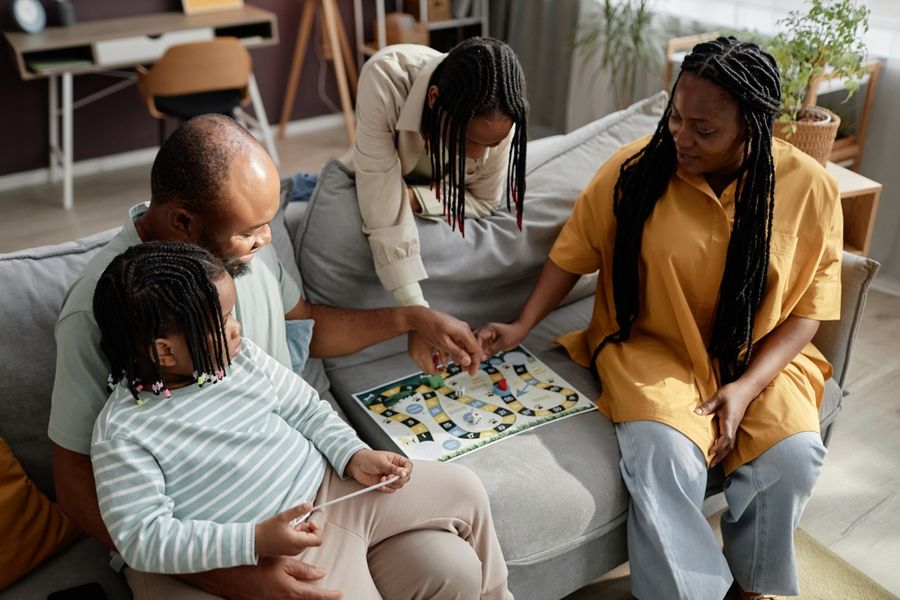
Family game nights are a great way to bring everyone together for fun, laughs, and teamwork. The right board games can turn an ordinary evening into a memorable experience. Games that encourage family interaction help kids and adults talk, think together, and share friendly competition. Whether you have young children or teens, there are board games that fit every family’s style and pace. The very best games make family time extra special.
Classic Cooperative Fun: Pandemic
Pandemic is a cooperative board game where players work together to stop global outbreaks. Instead of competing, family members team up to share actions, plan moves, and defeat the game itself. This encourages communication and big-picture thinking as players decide who will treat diseases, build stations, and trade cards.
Because everyone shares the same goal, players learn to support one another and discuss strategies. Pandemic works well for families with older children who enjoy puzzle-like teamwork and shared challenges. Every game can feel different, which keeps the experience fresh and exciting.
Memory and Strategy With Ticket to Ride
Ticket to Ride is a game where players collect cards to build train routes across the United States. It blends simple rules with smart decisions. Each turn, a player chooses to draw cards, claim a route, or pick new destination tickets. The aim is to complete paths that score points while blocking other players’ plans.
This game encourages players to think ahead and talk about choices without putting pressure on younger children. Ticket to Ride balances friendly competition and shared fun, making it a strong pick for a range of ages. Families often find themselves talking about routes and plans long after the game is over.
Quick Thinking and Imagination in Dixit
Dixit is a game of imagination and storytelling. In each round, one player is the storyteller and gives a clue based on a card in their hand. The other players choose cards that match the clue. Then everyone tries to guess which card was the storyteller’s. The process leads to creative ideas and often silly interpretations.
Dixit prompts players to explain their thoughts and listen to others. Children and adults alike enjoy making up clues, interpreting pictures, and laughing together over surprising choices. The game does not rely on reading or heavy rules, so it works well even for younger family members.
Word Fun and Team Play With Codenames
Codenames is a word-based game that turns vocabulary into a team effort. Players split into two teams and try to identify their secret words using one-word clues. The key is to make clues that help your team without helping the other side. Players have to think carefully and communicate clearly with their teammates.
This game encourages families to listen closely and think about how others make connections between words. Codenames works well with older kids and adults because it helps build shared understanding of clues and encourages friendly group discussions. It is fast to set up and easy to play again and again.
Family Favorites That Grow With Your Kids
Some board games are beloved because they are simple to learn yet offer depth as players improve. Uno and Scrabble are classic choices in this category. Uno is a card game where players match colors and numbers, with special action cards that change the pace of play. It is easy to learn and keeps everyone engaged turn after turn.
Scrabble, on the other hand, focuses on word building. Families can play cooperatively by forming high-scoring words together, or kids can team up with adults to balance the field. These games help players expand basic skills—Uno through quick thinking, Scrabble through vocabulary and spelling—while keeping the focus on shared activity.
Fast and Fun: Sushi Go! and Qwirkle
For families looking for short games with simple rules, Sushi Go! and Qwirkle are strong choices. Sushi Go! is a card drafting game where players collect sets of sushi to earn points. It moves quickly, with bright artwork and a fun rhythm. Players talk about which cards are coming around and decide what to keep or pass.
Qwirkle uses colorful tiles with shapes and patterns. Players match tiles in lines to score points. It strengthens pattern recognition and encourages gentle competition. Both games work well with younger players and can be learned in just a few minutes, making them great for casual evenings or quick breaks between activities.
Cooperative Play With Family Puzzle Games
Puzzle games such as Ravensburger family puzzles or cooperative tile games like Forbidden Island also promote interaction. In Forbidden Island, players work together to collect treasures and escape a sinking island. The game blends shared strategy with storytelling, as every turn shapes the adventure.
Puzzles, whether traditional jigsaw puzzles or board games with puzzle elements, encourage families to talk through ideas and support one another. These games make space for cooperation and conversation, which strengthens connections and builds shared memories.
Choosing Games That Bring You Together
Board games that encourage family interaction do more than fill time—they create moments of connection, laughter, and learning. Whether you prefer cooperative strategy games like Pandemic and Forbidden Island, imaginative storytelling in Dixit, team wordplay in Codenames, or quick fun with Sushi Go! and Qwirkle, there is a game for every family’s taste.
The best games are those that get everyone talking, thinking, and enjoying time together. Pick games that fit your family’s ages and style, and let game night become a regular chance to connect and have fun.